
healthy aging and curiosity
September is Healthy Aging Month—and in 2026, the invitation is to get curious.
The official 2026 theme, “Curiosity Has No Age Limit,” offers a refreshing perspective on what it means to age well. Healthy aging isn't about trying to stop the clock or fit into a particular idea of what getting older should look like. It is about continuing to participate in life—to learn, move, connect, explore, and make intentional choices that support the life we want to live.
And perhaps there is no better time to embrace that mindset than September.
As summer begins to give way to autumn, the changing season naturally invites us to pause and take stock. The autumnal equinox arrives on September 22, marking the beginning of astronomical autumn in the Northern Hemisphere. It is a moment of transition—a reminder that change is not something to resist, but something we can notice, embrace, and even become curious about.
So, as the season changes, what if we asked ourselves:
What am I curious about? And what small action can I take to explore it?
Curiosity is a form of engagement that can lead to intentional action.
Curiosity can be simple and a wonderful starting point to meaningful change.
It might mean taking a class you've always wanted to try, learning how to use a new technology, picking up an instrument, exploring a new recipe, visiting somewhere you've never been, or finally opening the book that has been sitting on your nightstand.
It can also be as simple as asking a question.
Curiosity encourages us to remain engaged with the world around us. And engagement matters as we age. The National Institute on Aging notes that meaningful activities—including hobbies, creative pursuits, volunteering, exercise, and time with others—can support well-being, purpose, and independence.
In other words, trying something new doesn't have to be about becoming someone different.
It can be about discovering more of who you are now. Here are just a few ideas to get started!
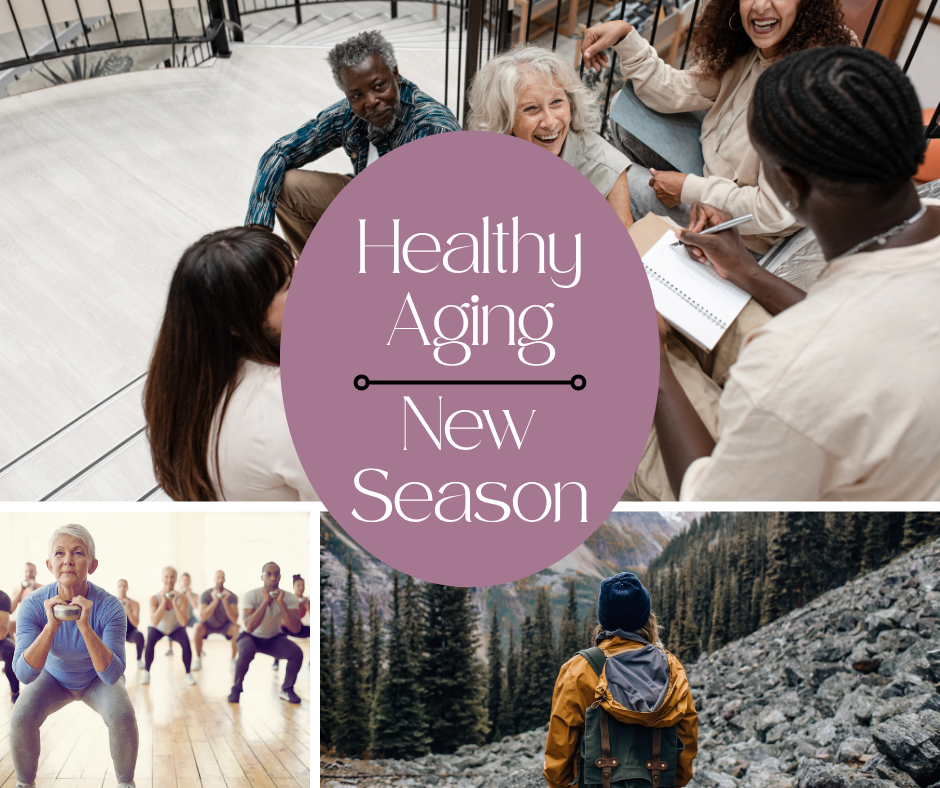
Try Something New for Your Mind
Healthy aging includes caring for our cognitive health—the ability to think, learn, and remember clearly. While aging naturally brings changes to the brain, research-supported lifestyle choices can help support cognitive health. The National Institute on Aging recommends staying physically active, managing health conditions, keeping the mind engaged, and maintaining social connections as part of a broader approach to brain health.
This fall, give yourself permission to be a beginner.
Learn a few words of a new language. Take a painting class. Try a new card or strategy game. Listen to a podcast about a subject you know nothing about. Learn a new recipe or take a different route on your regular walk.
You don't have to master the activity.
The point is to engage your brain in something unfamiliar and interesting.
There is something freeing about being a beginner. You get to ask questions. You get to make mistakes. You get to discover that you are capable of learning something you didn't know yesterday.
Try Something New With Your Body
Curiosity isn't just for the mind. It can also change the way we move.
Maybe you've always walked for exercise. What would happen if you tried a dance class? Yoga? Tai chi? Swimming? Strength training? A new hiking trail?
Physical activity is an important part of healthy aging. The National Institute on Aging notes that older adults can benefit from aerobic, muscle-strengthening, and balance activities, and that physical activity can support physical function, emotional well-being, sleep, and aspects of cognitive health.
The key is finding movement that feels meaningful and enjoyable—not simply checking another item off a wellness list.
Fall provides plenty of opportunities to make movement more interesting. Take a walk to admire the changing leaves. Invite a friend to explore a new trail. Try an outdoor class. Garden. Dance in your kitchen.
Movement becomes easier to sustain when curiosity and enjoyment are part of the experience.
Let Curiosity Strengthen Connection
Healthy aging isn't a solo project.
Social connection is another important part of staying engaged as we grow older. The NIA notes that meaningful social activities and connections can support well-being, while social isolation and loneliness are associated with a number of health concerns, including cognitive decline.
So this season, get curious about people.
Call someone you haven't spoken with in a while. Join a club. Volunteer. Invite a neighbor for a walk. Attend a community event. Ask someone to teach you something they love.
You might even make trying something new a social activity.
Take a class with a friend. Visit a museum. Explore a new neighborhood. Start a walking group. Cook a new meal together.
Sometimes the most meaningful new experience isn't the activity itself—it's the person with whom we experience it.